Tarlone Quarterly
Vol. IV    2026    London

Plate.Pattern.Weight.

An independent editorial publication from London examining how everyday food choices, eating rhythms, and portion habits shape long-term weight balance — without the noise of short-term promises.

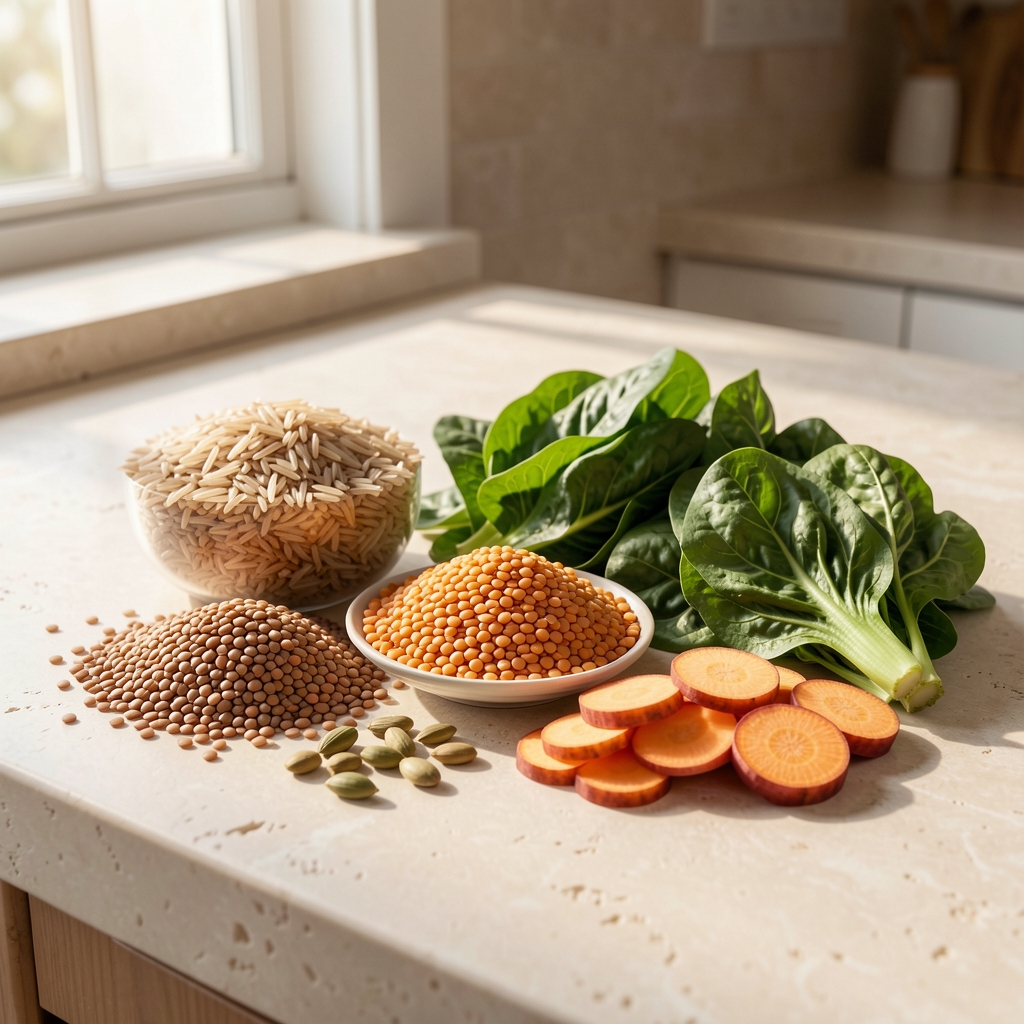
Wholesome food spread on a rustic wooden table with natural light — whole grains, vegetables, and portioned servings
Current focus
Eating Patterns & Long-Term Weight
Calorie Awareness Nutrient Density Whole Food Choices Eating Patterns Portion Perspective Energy Balance Fibre and Fullness Balanced Plate Approach Calorie Awareness Nutrient Density Whole Food Choices Eating Patterns Portion Perspective Energy Balance Fibre and Fullness Balanced Plate Approach
01  /  Current Readings

Featured Articles

Fibre & Satiety

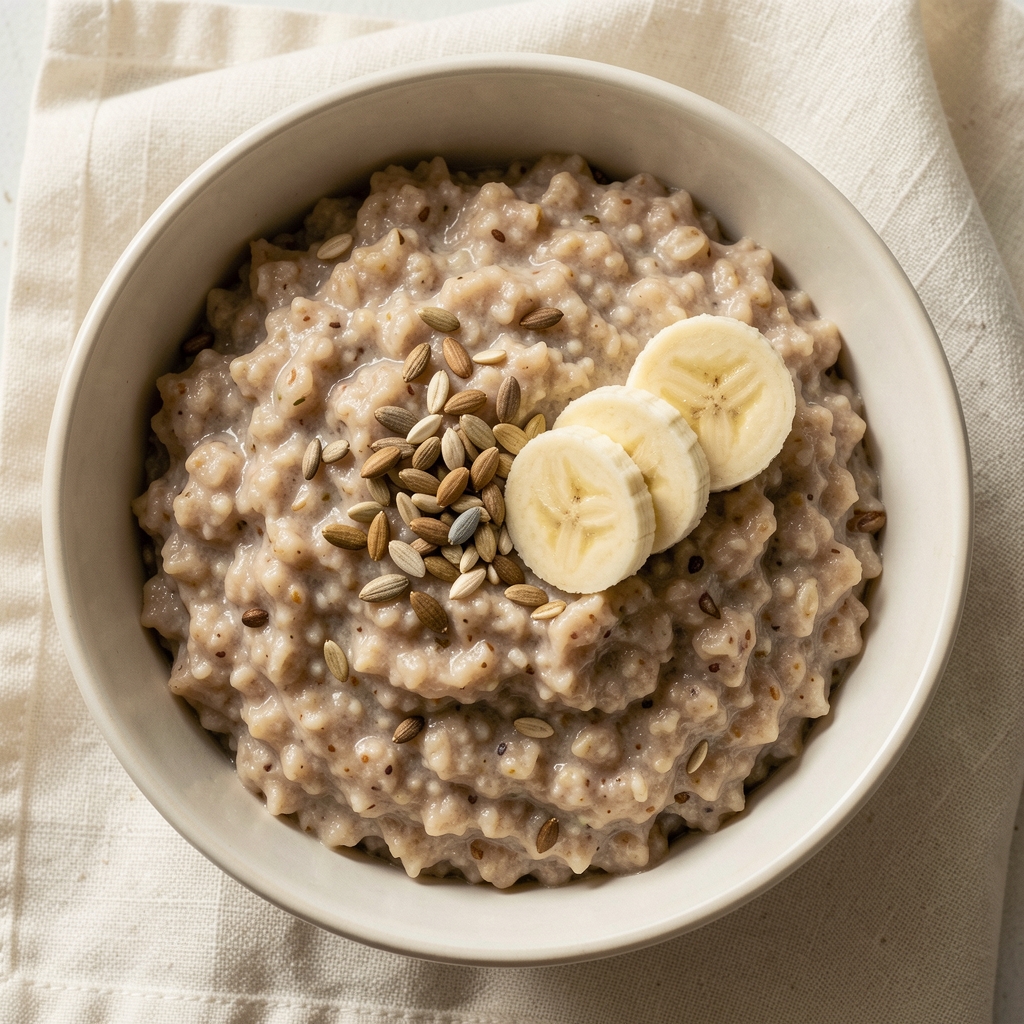
Fibre, Fullness and the Whole Grain Argument

The conversation about whole grains rarely begins where it should — with the mechanism of fullness. When a grain retains its bran and germ, it carries with it a fibre structure that engages the body's hunger signals quite differently from its refined counterpart.

Tobias Marsden · · 9 min read
Continue reading →
38
Published Articles
04
Editorial Volumes
12
Contributing Writers
8+
Years of Editorial Practice
02  /  About the Publication

A quiet case for long-term thinking.

Tarlone Quarterly was established with a single editorial conviction: that the relationship between what we eat and how our bodies respond over time is far more nuanced than the popular press tends to suggest. Where most food content reaches for the immediate and the dramatic, this publication is interested in the sustained, the gradual, and the structural.

Each issue examines a different dimension of the food-and-weight connection — from the role of meal structure and eating cadence to the particular contributions of whole food quality, fibre density, and carbohydrate composition. The writing is informed by published nutritional research and reviewed before publication by a second editor.

About the Publication
Editor's notebook open on a wooden desk with a pencil and reading glasses in warm morning light
03  /  Editorial Topics

What the Publication Covers

Food Quality and Nutrient Density

An examination of how the nutritional composition of foods — beyond their calorie count — relates to how the body registers energy and fullness. Whole food choices sit at the centre of this inquiry.

Meal Structure and Eating Rhythm

The frequency, spacing, and composition of meals across a day and week carry a logic of their own. This section explores how established eating patterns interact with the body's longer-term weight regulation.

Energy Balance Explained

Calorie awareness and energy balance are often oversimplified. The publication approaches the topic with appropriate nuance — acknowledging the role of food composition, portion habits, and the varying metabolic responses to different macronutrient combinations.

Plant-Based Eating and Weight

Plant-based eating patterns consistently appear in the research on long-term weight regulation. Tarlone Quarterly investigates the mechanisms involved, without advocacy or dismissal of other dietary approaches.

Carbohydrate Role in Weight

Carbohydrate is one of the most contested macronutrients in popular nutrition discourse. The publication reviews the evidence on carbohydrate quality, glycaemic response, and the place of carbohydrates within a balanced plate approach.

Protein, Satiety, and Body Composition

Protein's role in appetite regulation and body composition is well-documented in the nutritional literature. This publication examines what that evidence looks like in the context of everyday meal planning and realistic eating patterns.

The quality of what enters a plate over a year communicates more about a body's future than any single week of measured eating ever could.
Eleanor Whitfield  —  Editor, Tarlone Quarterly
04  /  Frequently Asked

Common Questions

Tarlone Quarterly does not pursue trends or product recommendations. It operates as an independent editorial publication — each article is researched against published nutritional literature, reviewed by a second editor, and written in a register that invites consideration rather than urgency. The focus is on the sustained, structural aspects of how food choices relate to body weight over time.

Energy balance — the relationship between calories consumed and energy expended — is acknowledged as a foundational concept while also being recognised as insufficient on its own. The publication regularly examines how food quality, fibre content, protein and satiety signals, and meal structure all influence the practical experience of calorie awareness in ways that a simple arithmetic model does not fully capture.

Articles published on Tarlone Quarterly are editorial in nature and reflect the writers' observations on everyday wellness practices. The content is not intended as professional advice, nor as guidance for the management of any specific condition. Readers with specific concerns about their daily routines are encouraged to speak with a qualified wellness professional.

Tarlone Quarterly publishes a new long-form editorial article approximately every three to four weeks. Each piece is intended to function as a standalone reading — thorough enough to stand on its own rather than serving as a brief update to a broader ongoing conversation. Quality of editorial consideration is prioritised over frequency of publication.

The publication does not operate from a position of blanket prohibition. The editorial lens on processed food awareness and sugar and weight management examines the evidence carefully — considering the degree of processing, the role of sugar within overall dietary context, and the distinction between habitual consumption patterns and occasional variety. The writing acknowledges complexity rather than resolving it artificially.